
What should I expect from my first escape room experience?
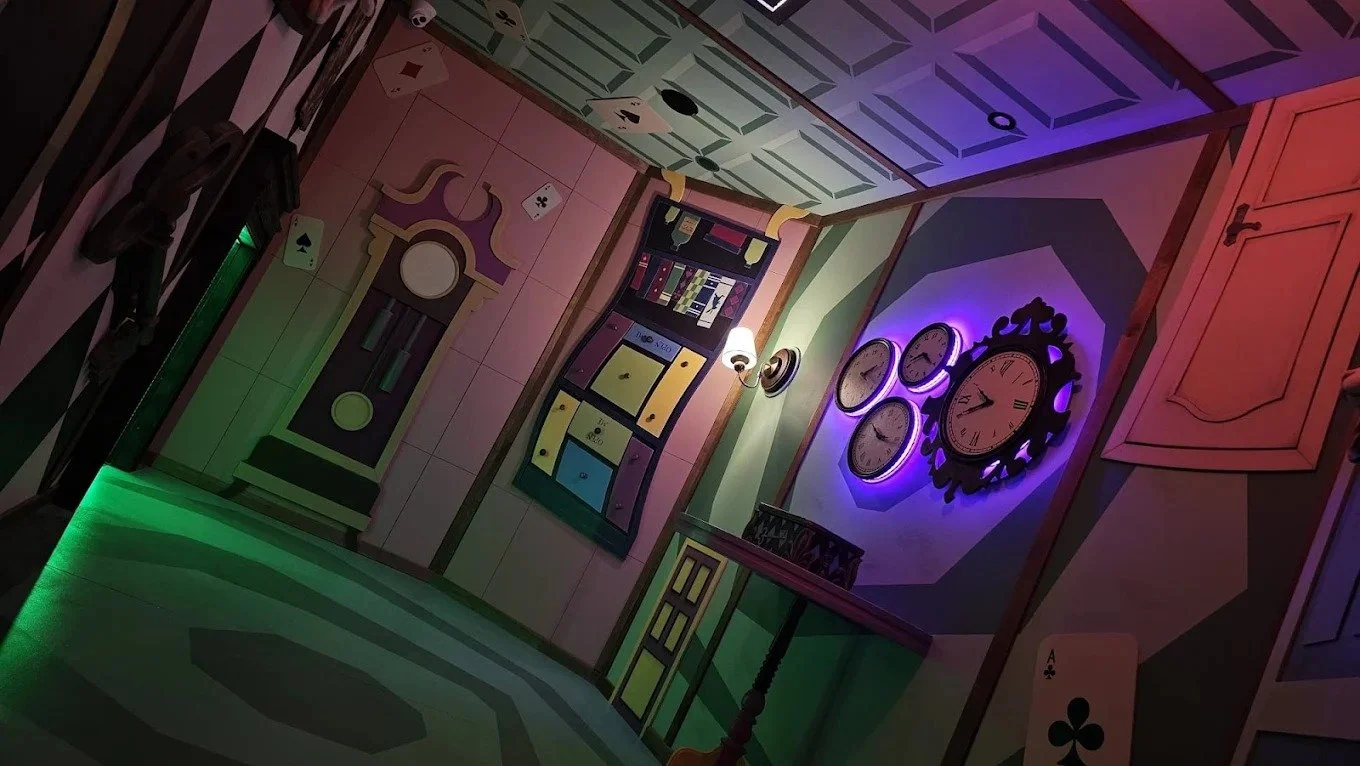
Your first escape room experience is a guided, low-pressure hour of puzzles, teamwork, and storytelling, not a test you can fail. Expect three distinct phases: arrival and briefing, the timed game itself, and a post-game debrief. A game master watches your progress and sends hints when your team gets stuck. The door does not truly lock, so you can step out anytime.
Table of Contents
How does an escape room actually work?
An escape room is a themed space where your team works through a mission before a countdown clock, usually around 60 minutes, runs out. You will search the room, find clues, solve puzzles, and unlock the next layer of the story. According to Cryptex Branson, most rooms follow that standard time limit, though some venues offer longer challenges.
Search
Upload
Alt text
Photo by RDNE Stock project on Pexels
A game master monitors your group through cameras and sends hints when progress stalls. The hint system is designed to nudge, not hand over answers. Breakout Games explains that a game master will never give a direct answer to a puzzle, only a push in the right direction.
The escape room door does not actually lock. Players can leave the room at any point, which helps first-timers feel less trapped. The hobby itself is mainstream: The Great Escape Room estimates there are as many as 50,000 escape rooms worldwide.
What happens before the game begins?
Arrive about 15 minutes early to check in, use the bathroom, and settle into the space. Breakout Games recommends that buffer so your team is calm and ready when the briefing starts. Cryptex Branson gives the same arrival guidance.
Search
Upload
Alt text
Photo by Mikhail Nilov on Pexels
Next comes an introductory video or host briefing that explains the mission, the rules, and any safety notes. The clock usually starts once that briefing ends, not the moment you walk through the front door. The Escape Game notes that the countdown begins after the intro video wraps up.
Booking a reservation in advance is wise. The Escape Game advises reserving ahead so your preferred game and time slot are available rather than leaving the night to chance.
What are the best escape room tips for beginners?
Start by scanning the room as a group before diving into any single puzzle. Breakout Games suggests looking for physical locks and checking how many digits they have, because that tells you what kind of code you need. A three-digit lock needs a three-digit answer.
Keep solved puzzles and used clues in a discard pile. The Escape Game recommends this so nobody wastes time re-solving something the team already finished. A clear discard pile keeps the room organized and your group moving forward.
Ask for hints freely. Some venues place no limit on how many hints a player can request, according to Breakout Games. Remember that a game master nudges rather than answers, so hints guide your thinking without spoiling the puzzle.
What common mistakes do first-timers make?
A common mistake is hoarding clues instead of sharing them out loud with the group. One person might find a key or a note and quietly set it aside, leaving the rest of the team unaware. Verbalizing every discovery keeps everyone working from the same information.
Another mistake is everyone crowding one puzzle while other parts of the room go unexplored. Breakout Games encourages players to spread out and investigate different zones, because escape rooms are designed with multiple puzzle paths.
First-timers also forget to check under, behind, and inside objects before assuming a puzzle is unsolvable. The Escape Game notes that thorough searching is part of the game. Finally, treating the timer as a threat rather than a pacing tool leads to panic and skipped steps. Cryptex Branson frames the clock as a guide, not an enemy.
What should I wear and bring to an escape room?
Choose comfortable clothing and shoes you can crouch, reach, and move in. Breakout Games recommends dressing for movement, since you may bend down to inspect low shelves or stretch toward high props. Leave large bags and personal items behind or in a locker, because rooms are tight and props are fragile.
Use the bathroom before the game starts. Stepping out mid-game costs your team time, so Breakout Games lists that as a pre-game priority. If you are bringing younger players, confirm the venue's age policy first. The Great Escape Room requires anyone under 16 to be accompanied by an adult.
What happens if my team does not escape in time?
Running out of the clock is common and not a failure. The Great Escape Room reports that only 18% of teams solve its hardest room, Escape Artist: The Final Seance. Most first-time groups do not escape, and that is a normal part of the experience.
After the timer ends, the host leads a debrief where the team walks through missed clues and lingering questions. Cryptex Branson notes that most escape rooms end with this discussion, plus a team photo whether you won or lost. Room formats vary too, from 60-minute standards to longer 120-minute challenges, according to The Great Escape Room.
Where can I try an escape room in San Francisco with cocktails?
Wonderland Escape Room at Lore SF is an immersive San Francisco option that blends puzzles, storytelling, and a flight of three cocktails or mocktails. The experience works for small groups, celebrations, and team outings, with pricing from $400 per group. It is a natural fit for readers who want their first escape room experience to feel more like a night out than a standard game.
Lore SF also runs a speakeasy cocktail bar with inventive drinks and food, plus weekly Game Night and private event bookings for readers who want to extend the evening. The venue's community events, from board games to themed parties, make it easy to turn an escape room visit into a full night.
Key Takeaways
A typical escape room gives teams around 60 minutes to solve a themed mission before the clock runs out.
Arriving 15 minutes early gives you time to check in, use the bathroom, and hear the full briefing before the timer starts.
The escape room door does not actually lock, and players are free to leave the room at any point.
Game masters monitor progress on camera and offer hints that nudge rather than hand over answers.
Keeping solved puzzles and spent clues in a discard pile prevents a team from wasting time re-solving them.
Most games end with a debrief and a team photo, whether or not the group escaped.
Wonderland Escape Room at Lore SF pairs its puzzles with a flight of three cocktails or mocktails, starting at $400 per group.
References
The Ultimate Guide to your First Escape Room! — Breakout Games, 2023-08-18
Escape Rooms | Everything You Need To Know — The Escape Game, 2026-03-25
What to Expect When You Visit an Escape Room — The Great Escape Room
What to expect at your first escape room game — Cryptex Branson, 2024-03-29
